FARM Risk Management &
DISASTER RECOVERY

Risk Management and Disaster Recovery Resources for Farmers in Northeast Tennessee

Farms face real risks from extreme weather events such as floods, tornadoes, windstorms, and market volatility. Planning ahead with the right insurance coverage and land management practices can help protect crops, equipment, infrastructure, and farm income. 

This page brings together educational resources and tools to help farmers:

Understand farm and crop insurance options
Prepare for severe weather and natural disasters
Reduce on-farm risks through practical land management practices
Access recovery resources after a disaster

FARM INSURANCE

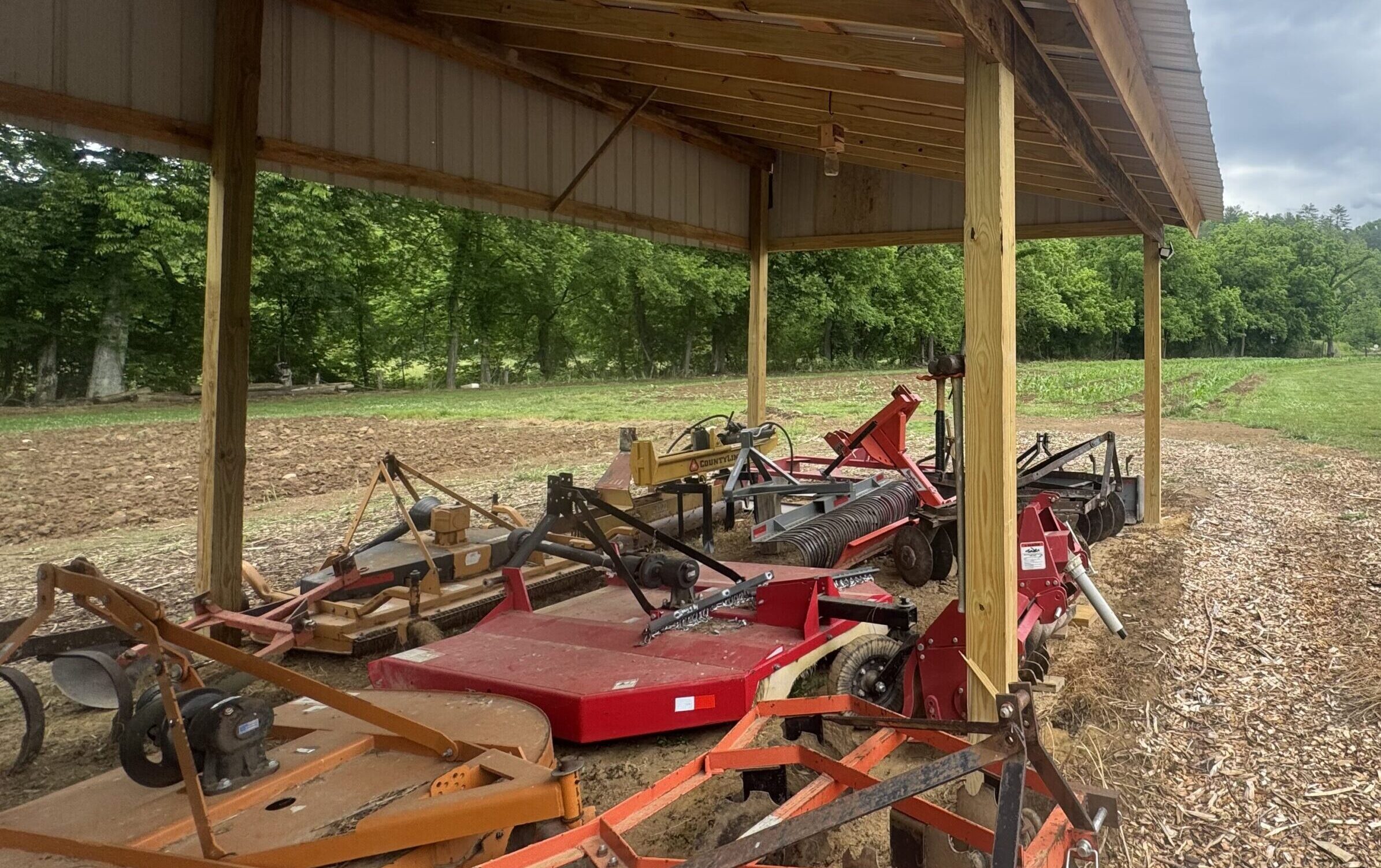
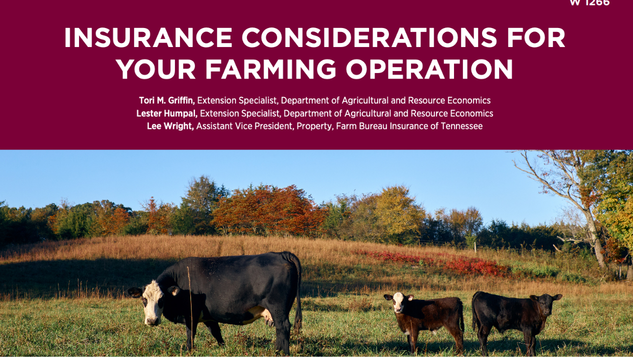
Farm Insurance is an important part of farm risk management. Different policies can help protect your crops, equipment, infrastructure, and overall farm income.

University of Tennessee Institute of Agriculture

This guide explains common insurance considerations for farming operations.

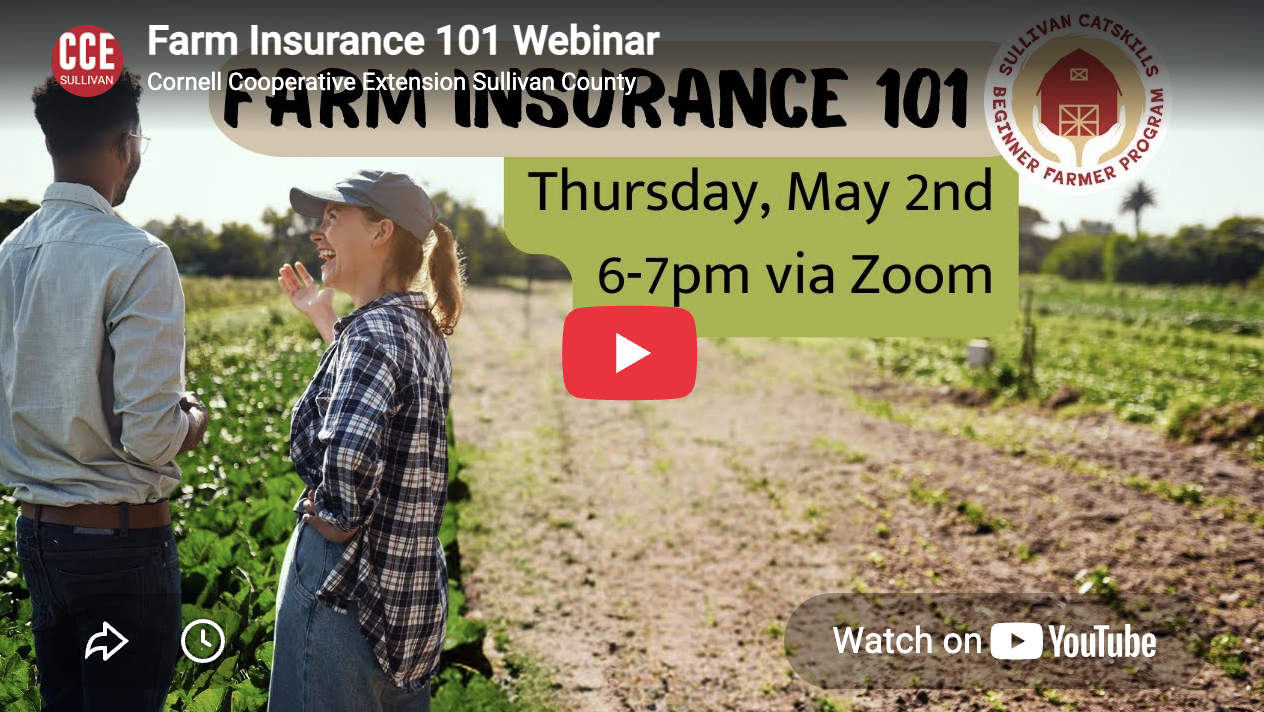
Cornell Cooperative Extension

This educational webinar provides an introduction to farm insurance and risk management considerations for agricultural operations.

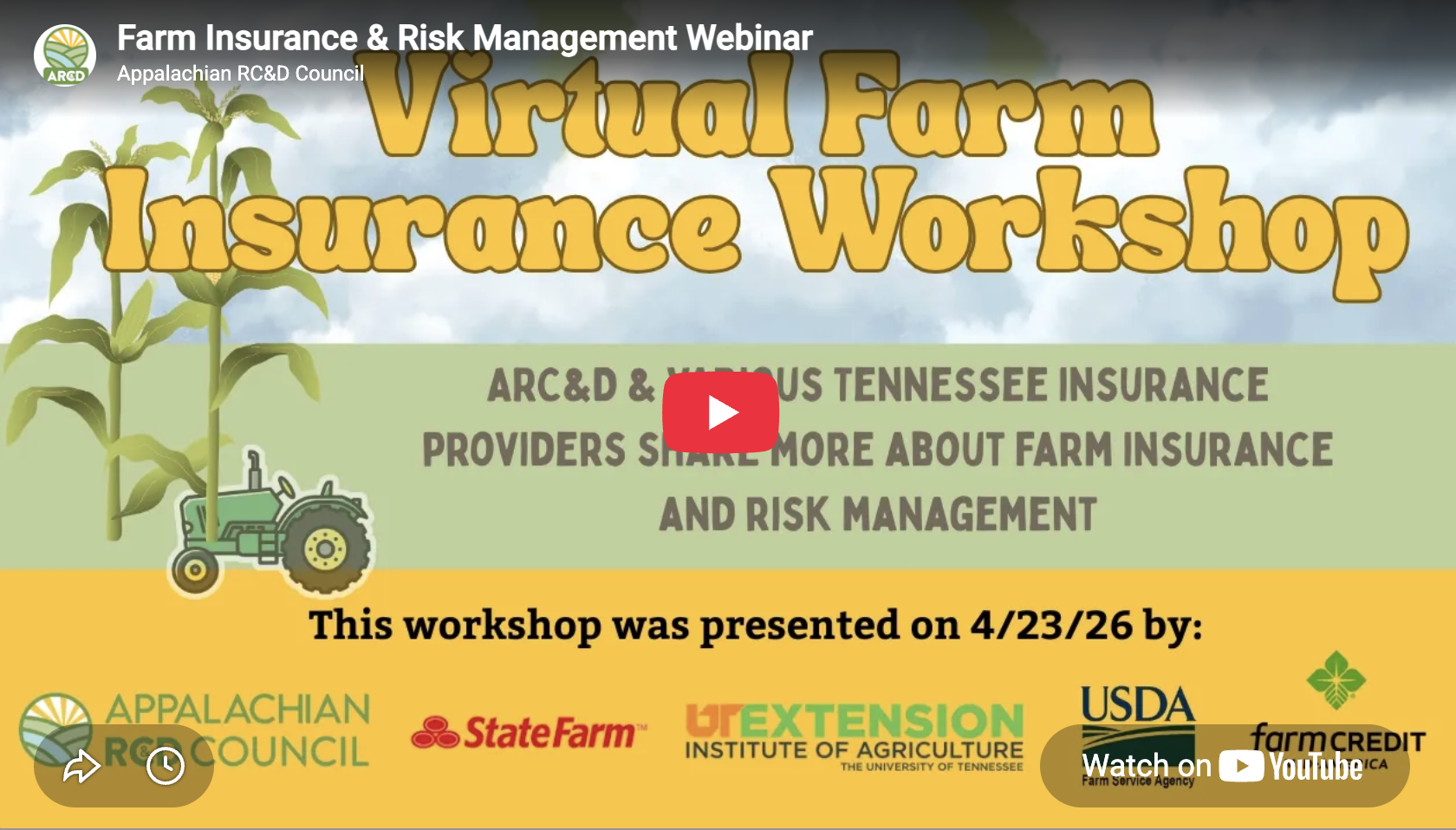
ARCD Council

This webinar introduces farm insurance fundamentals and risk management from the perspectives of University of Tennessee Extension, State Farm and Farm Credit Mid America

CROP INSURANCE

Crop insurance programs can help farmers manage risks related to weather, natural disasters, and changing market conditions.

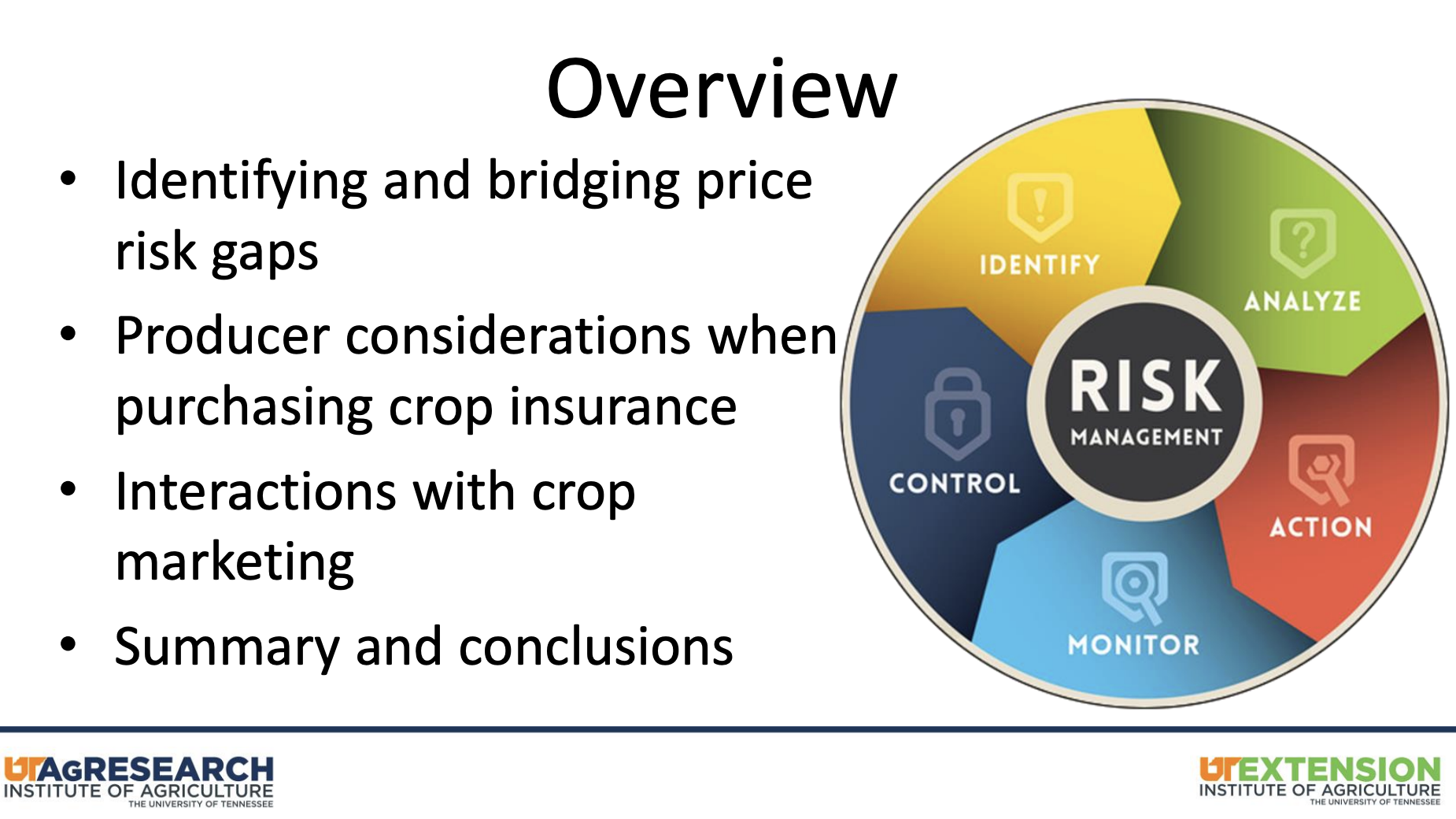
University of Tennessee Institute of Agriculture

This resource from the University of Tennessee Institute of Agriculture explains factors to consider when selecting crop insurance during changing market conditions.

Crop Insurance for Organic and Transitioning Producers

This guidebook by the USDA and Organic Farming Research Foundation is designed to help you understand how crop insurance works and how to determine which crop insurance options are right for you. 

Whole-Farm Revenue Protection

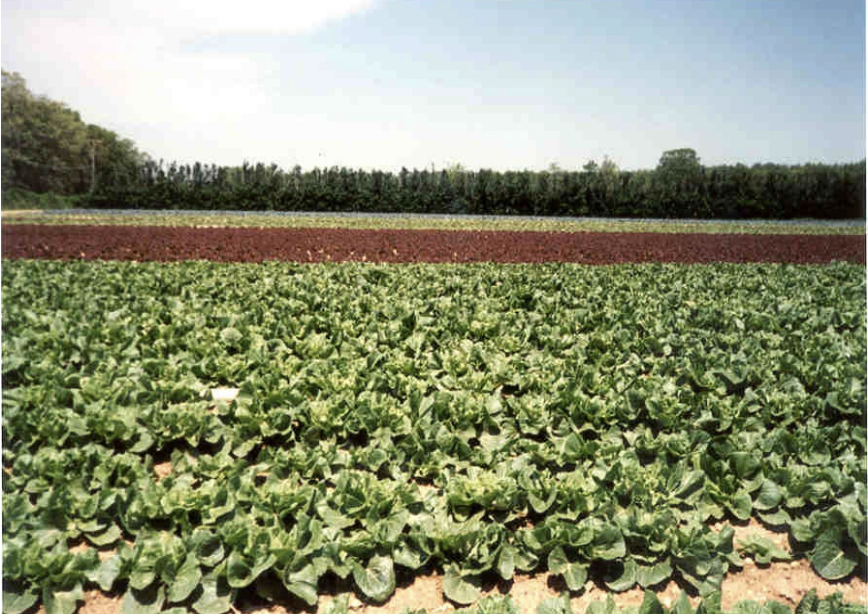
Whole-Farm Revenue Protection is a USDA crop insurance program that provides coverage for the revenue of the entire farm rather than individual crops. It is often used by farms that grow multiple commodities.

USDA's Micro Farm Policy

The Micro Farm policy is designed for smaller farms with lower revenue levels and simplified recordkeeping requirements.

FARM PRACTICES 

Northeast Tennessee has experienced serious impacts from weather like wind and water erosion, wildfire, and drought. Farm practices that decrease weather risk include:
Hazard Mitigation Planning
Rebuilding Healthy Soil
Rotational Grazing
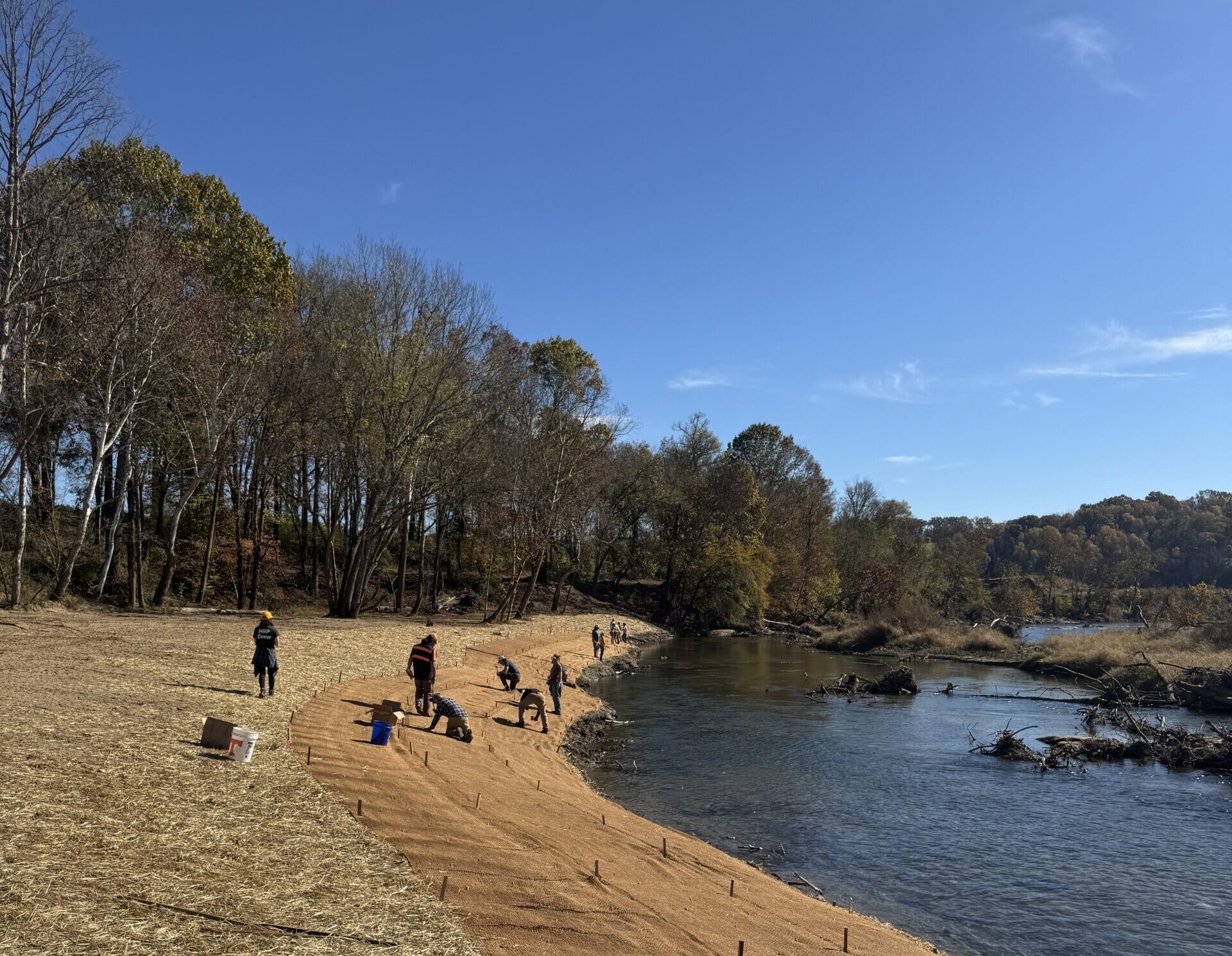
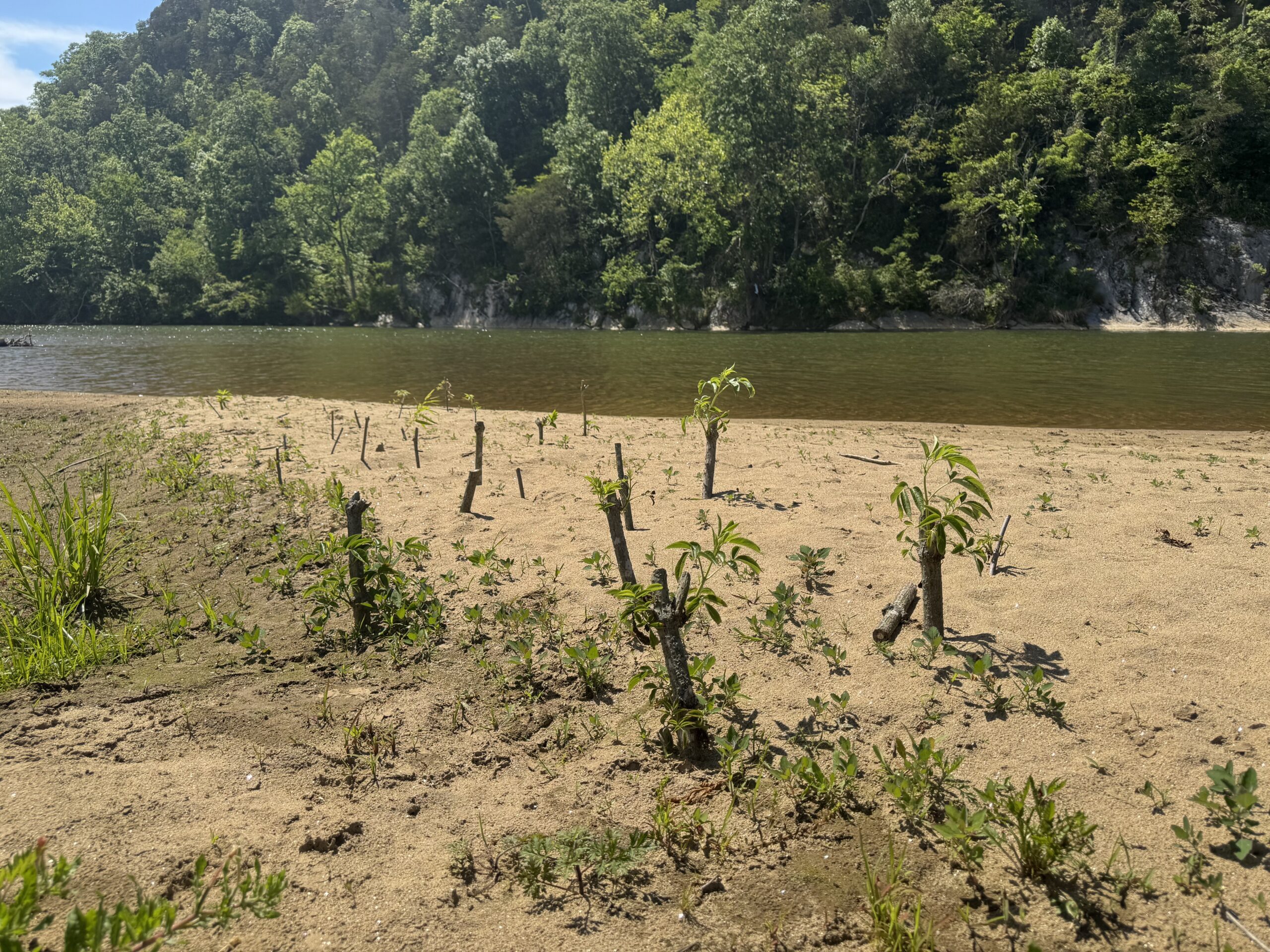
Streambank Restoration
Reforestation - Wind Breaks

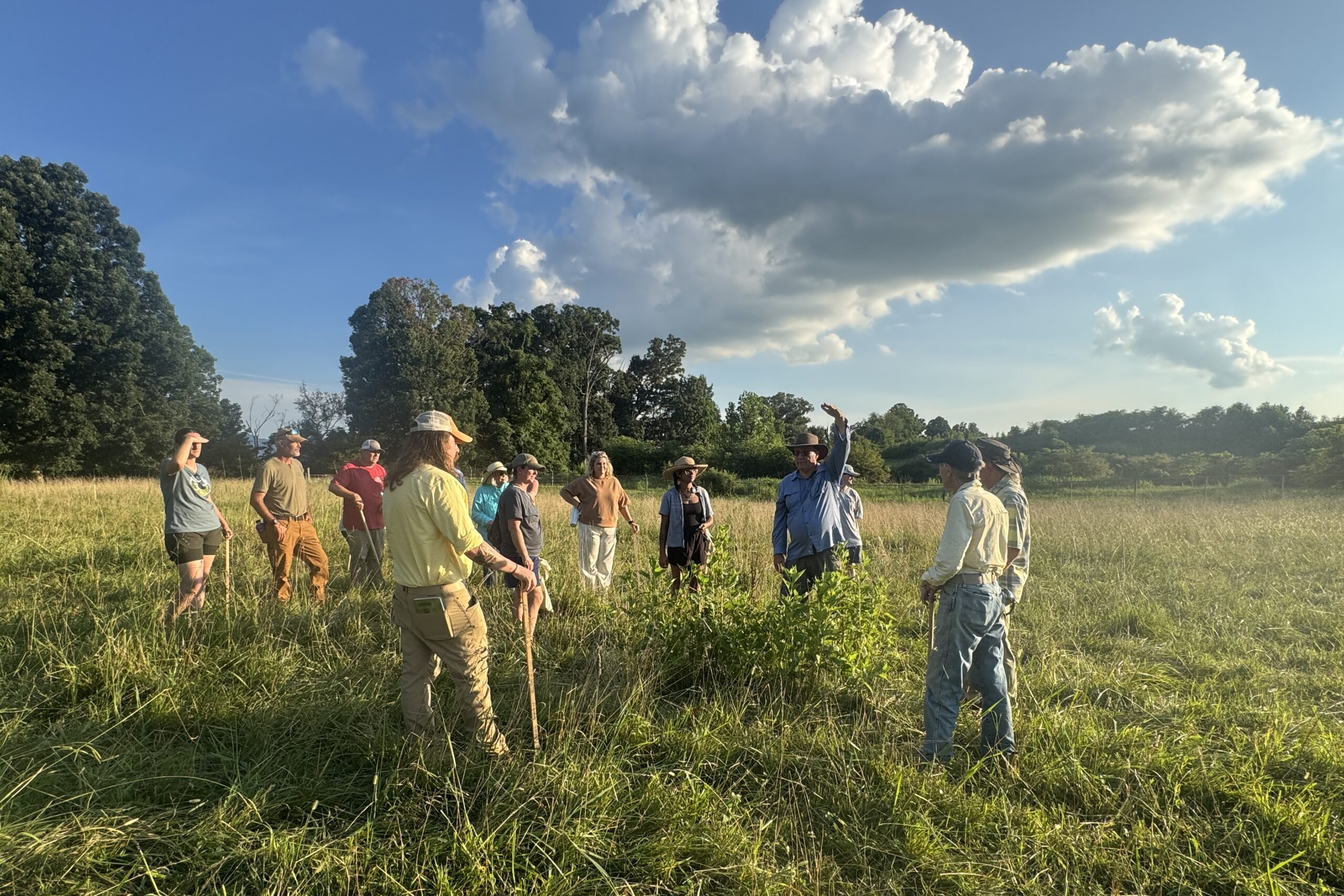
Check out ARCD’s upcoming workshops to gain more information and hands-on skills.

See resources below to learn more about how to manage your risk on-farm.

Hazard Mitigation Planning 

Understanding your farm site, the surrounding land’s topography and characteristics, current and projected climate trends, and other factors is the first step to creating a plan for your farm to identify potential vulnerabilities, outlining actionable steps for hazard mitigation, and being more prepared for the future.

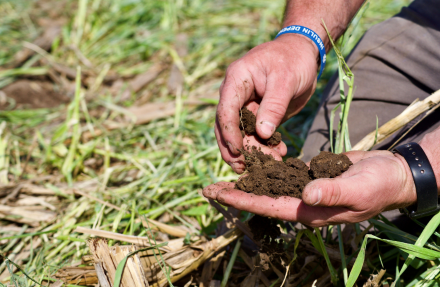
Rebuilding Soil / Soil Health

Knowing your soil’s chemistry, properties and characteristics allows you to optimize output and ecosystem services it provides.

Rotational Grazing 

Managing plants in your pasture, using strategic fencing methods, and scheduled movement can produce top quality beef and fields!

Streambank Restoration

Riparian buffers are important for water quality, retaining land, and stabilizing soil.

Reforestation & Wind Breaks

With the massive amount of riparian trees lost along farmland in East Tennessee’s recent flooding, planting trees can prevent loss of crops to high winds.

Additional Resources to Manage Risks 

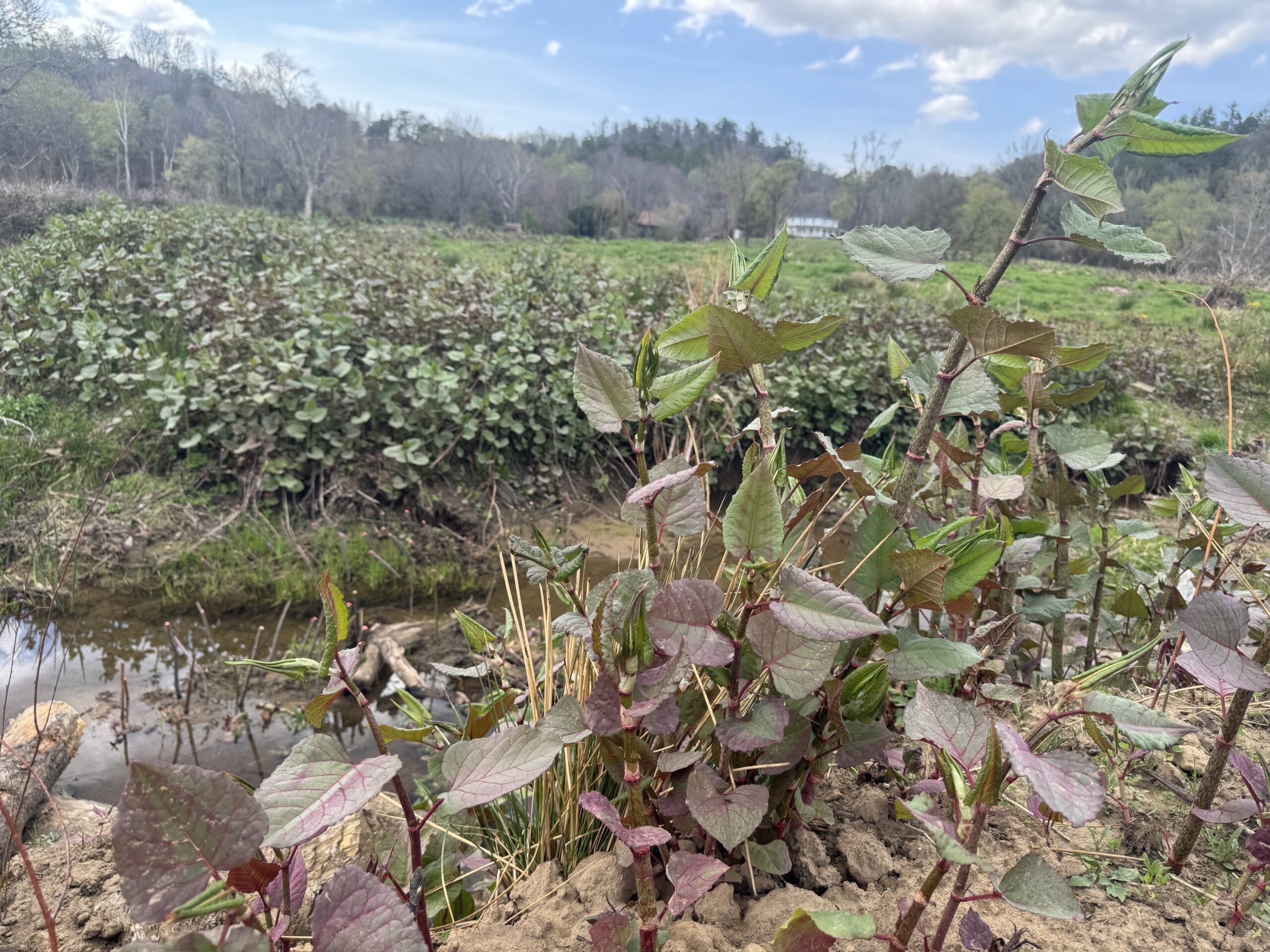
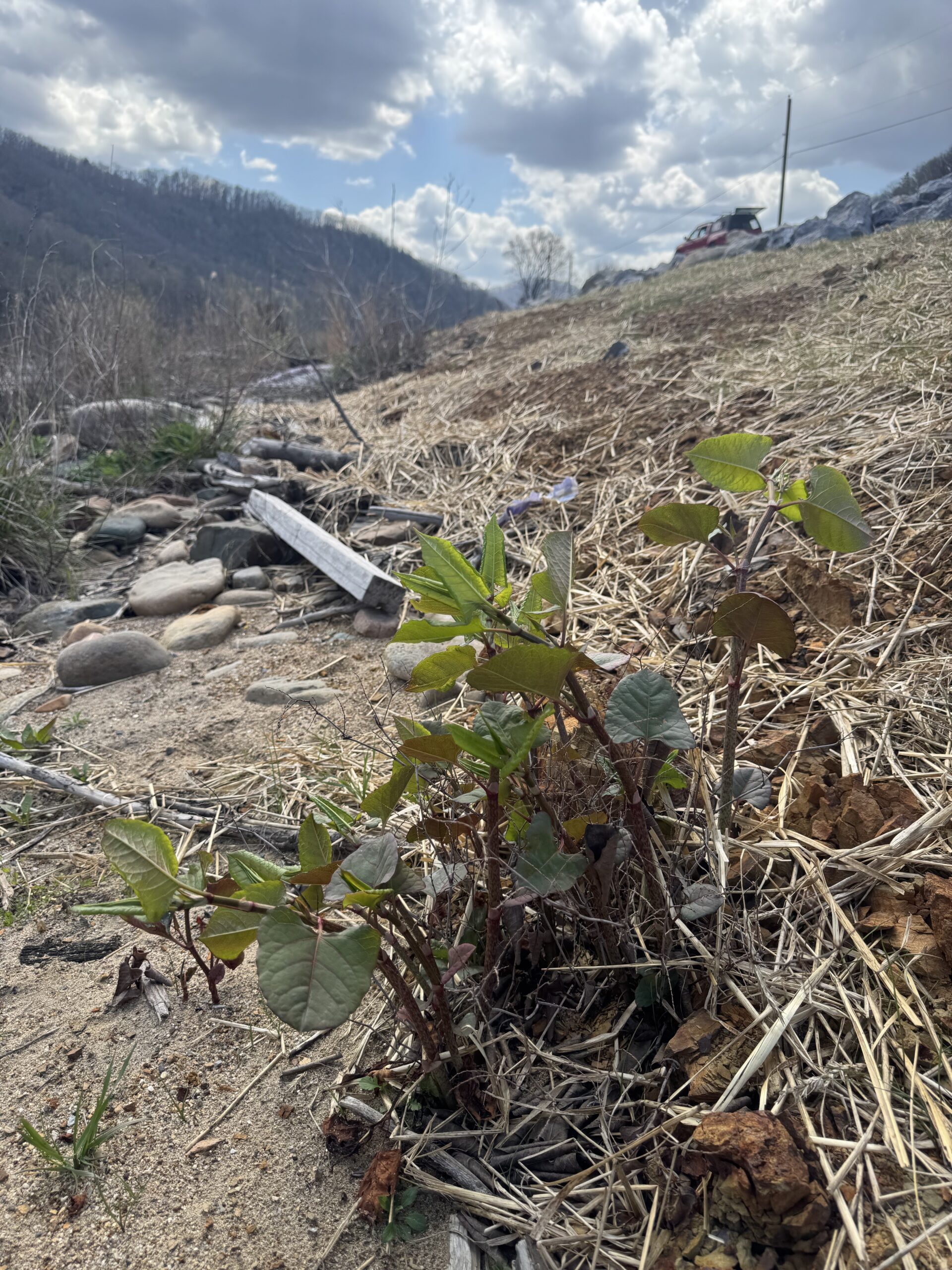
Invasive Plant Management

University of TN – A Guide For The Identification And Management Of Invasive Plant Species Common In Riparian Areas Of East Tennessee
Tennessee Invasive Plant Council – Invasive Plant Removal Projects & Advice

Wildfire Mitigation

TN Department of Agriculture 

Landowner resources to reduce wildfire risk

National Park Service 

 What is Hazard Fuel Reduction? 

Tennessee Wildland Fire Council 

Prescribed Fire Toolkit

Wildfire Risk to Communities 

A free, easy-to-use website with interactive maps, charts, and resources to help communities understand, explore, and reduce wildfire risk. Created by the USDA Forest Service under the direction of Congress, this website is designed to be a starting point for community leaders, such as elected officials, community planners, and fire managers, to help assess and reduce risk to homes, businesses, and other valued resources.

DISASTER RECOVERY

Farmers affected by severe weather events may be eligible for recovery assistance and support programs.

Tornado Response and Recovery Resources

Resources from UT Extension Specialists and other organizations across the state and country to assist individuals, families, and producers who have been impacted by a tornado event.

USDA Grants

TN Farmers and Forest Landowners Hit by Hurricane Helene have the opportunity to apply for block grants made possible by the U.S. Department of Agriculture (USDA) and administered by the Tennessee Department of Agriculture (TDA)

Tennessee Extension Disaster Education Network

EDEN’s purpose is to provide access to disaster information relevant to Tennessee.  This includes preparation, recovery, safety, getting assistance and providing assistance.

Flood Resources and Support 

Resources from the University of Tennessee Institute of Agriculture, as well as other organizations across the state and country, are provided to assist individuals, families, and producers who have been impacted by a flood event.

Tennessee Fire Adapted Communities  

Resources from The Tennessee Department of Agriculture, Division of Forestry to educate communities about wildfire hazard reduction programs

The Weatherwise program, workshops, and digital educational materials were made possible by the Rural Business Enterprise Grant funded by the USDA Rural Business Development Grants.